
Why Preserved Specimens Cost More
Table of Contents
- What Preserved Specimens Are and Why Collectors Value Them
- How Animal Specimens Are Preserved
- Wet Specimen vs Dry Specimen: Cost and Longevity Differences
- The True Cost Breakdown: What You're Really Paying For
- Preserved Specimen Care and Storage Conditions
- Preserved Specimen Display Materials and Long-Term Preservation
- Assessing Authenticity and Specimen Value
- Why Premium Pricing Reflects Museum-Quality Standards
- Frequently Asked Questions
Last Updated: October 17, 2026
What Preserved Specimens Are and Why Collectors Value Them
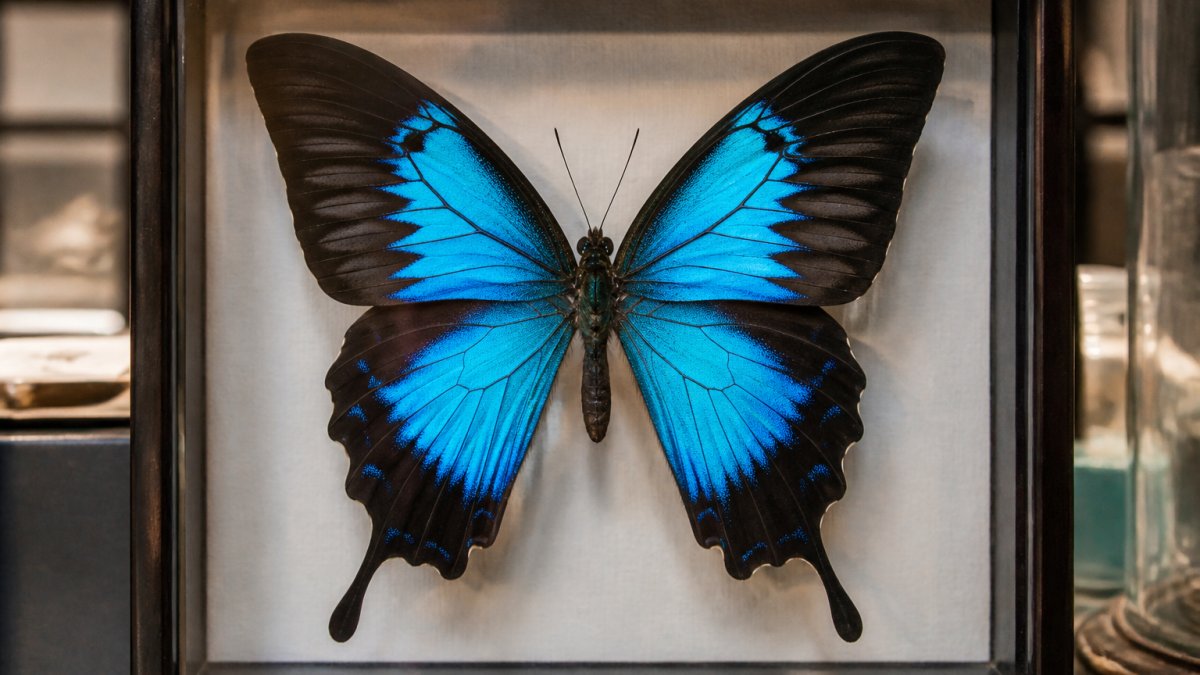
Preserved specimens are animal remains that have been treated and maintained to prevent decay, allowing them to retain their natural appearance for years or decades. These pieces range from butterflies and beetles mounted in shadowbox frames to skeletal preparations displayed under glass domes.
The appeal runs deeper than mere decoration. A preserved specimen captures a moment in time, the iridescent shimmer of a beetle's exoskeleton, the delicate wing patterns of a butterfly, the anatomical precision of a snake skeleton. For many buyers, owning a preserved specimen means bringing a piece of natural history into their living space.
At Newman Art Designs, we've curated collections of museum-preserved specimens for home decor enthusiasts and collectors who understand that quality matters. The specimens we work with represent careful sourcing, expert preparation, and long-term preservation techniques that justify why preserved specimens cost more than mass-produced nature art.
How Animal Specimens Are Preserved
Preservation methods determine both how well a specimen lasts and how much it costs to prepare. There are two primary approaches: wet preservation and dry preservation, each with distinct advantages, limitations, and price points.
Wet Preservation Methods
Wet preservation uses liquid fixatives to halt decomposition and maintain tissue integrity. The most common fixative is isopropyl alcohol, which penetrates tissue quickly and prevents bacterial and fungal growth that would otherwise destroy the specimen. Specimens preserved this way, typically smaller creatures like insects, arachnids, or anatomical samples, are stored in sealed glass containers filled with the preservation fluid.
The process begins with careful collection and initial fixation, often using formalin or another fixative to stabilise tissues before transferring the specimen to long-term storage in isopropyl alcohol. The sealed container must be airtight to prevent evaporation of the fluid, which would expose the specimen to air and cause rapid deterioration.
However, wet preservation has trade-offs. The preservation fluid can gradually discolour, and some specimens lose vibrancy compared to their living state. The liquid also requires periodic monitoring, containers must be checked for leaks or fluid loss.
Dry Preservation and Taxidermy
Dry preservation removes moisture from specimens, halting decay through desiccation. This approach includes traditional taxidermy for larger animals and pinning or mounting techniques for insects and smaller creatures. Butterflies are typically pinned through the thorax on a spreading board, their wings positioned symmetrically as they dry. Beetles are often mounted on points or pinned directly.
Dry preservation allows specimens to maintain their natural colours better than wet preservation, making them visually striking for display. A properly mounted butterfly retains its iridescent wing patterns; a beetle's metallic sheen remains vibrant. The trade-off is that dry specimens are more vulnerable to environmental damage, fluctuations in humidity, temperature extremes, and exposure to light all accelerate degradation.
Wet Specimen vs Dry Specimen: Cost and Longevity Differences
The choice between wet and dry preservation directly affects both price and lifespan. Wet specimens generally cost more upfront because the initial fixation process is labour-intensive, the isopropyl alcohol is a recurring expense, and sealed glass containers must be custom-fitted and regularly inspected.
Dry specimens cost less initially because the preparation, once complete, requires no ongoing material costs. A pinned butterfly or mounted beetle needs only stable storage conditions. Yet dry specimens demand more vigilant environmental control. They're vulnerable to humidity swings that cause tissue to crack or shrink, temperature extremes that embrittle materials, and direct sunlight that fades colours.
For collectors prioritising longevity, wet preserved specimens represent better long-term value despite higher initial cost. For those seeking visual impact and lower upfront investment, dry specimens, particularly butterflies and beetles displayed in sealed shadowbox frames, offer an attractive middle ground if storage conditions are carefully maintained.
The True Cost Breakdown: What You're Really Paying For
Why preserved specimens cost more becomes clear when you examine what goes into each piece. The price reflects far more than materials, it encompasses ethical sourcing, technical expertise, quality components, and the time required to prepare specimens to museum standards.
Ethical Sourcing and Legal Compliance
Sourcing specimens legally and ethically adds significant cost. Suppliers must verify that specimens come from sustainable populations, captive-bred sources, or legitimate scientific collections, never from endangered species or illegally trapped wild animals. Documentation, permits, and compliance checks all require time and expertise. Reputable sellers maintain detailed provenance records for each specimen, ensuring buyers can verify that their purchase doesn't contribute to species decline or illegal wildlife trafficking.
This due diligence is invisible to the buyer but essential. A specimen without verified ethical sourcing might be cheaper, but it carries legal risk and moral weight. At Newman Art Designs, we prioritise specimens from sustainable sources and work with suppliers who can document their collection practices. That commitment to ethical preservation increases costs but ensures peace of mind for environmentally conscious collectors.
Preparation Time and Technical Skill
Preparing a specimen to display-ready condition takes hours of meticulous work. A butterfly must be carefully relaxed if it's been dried, positioned symmetrically on a spreading board, pinned at precise angles, and left to set for days or weeks. The wings must be arranged to show their full pattern without damage.
For wet specimens, the preparation is even more involved. The specimen must be carefully dissected if necessary, fixed in the appropriate solution, transferred through multiple preservation baths, and finally sealed in a custom-fitted container. Larger specimens like snake skeletons require articulation, carefully positioning each bone to recreate natural anatomy, before mounting. This work demands training, experience, and a steady hand. Preparators who can execute these techniques at museum quality command premium rates, and their labour costs directly translate to higher specimen prices.
Quality Materials and Display
The materials surrounding the specimen significantly affect both its longevity and its visual presentation. A shadowbox frame must use UV-protective glass to prevent colour fading, acid-free mounting boards to prevent deterioration, and archival-quality pins or adhesives that won't degrade over time. Glass domes must be optically clear and fitted precisely to prevent dust infiltration while allowing the specimen to be viewed from all angles.
Budget display materials, thin glass, acidic cardboard, cheap frames, fail quickly. UV-unfiltered glass allows colours to fade within months. Acidic mounting materials cause chemical damage to specimens over years. Loose-fitting containers let dust and insects reach the specimen. Premium materials cost significantly more but ensure that a specimen remains beautiful and intact for decades. When you pay for a preserved specimen, you're partly paying for the materials that will protect it long after purchase.
Preserved Specimen Care and Storage Conditions
Proper care extends a specimen's life dramatically. Temperature stability is essential, fluctuations cause expansion and contraction that crack delicate structures. Humidity control prevents mould growth on dry specimens and fluid evaporation in wet specimens. Light exposure fades colours, particularly in dry specimens and butterflies. A specimen stored in a stable, cool, dimly lit environment will outlast one exposed to sunlight, temperature swings, and humidity extremes by years or even decades.
For wet specimens, periodic inspection ensures the seal remains intact and fluid levels haven't dropped. For dry specimens, a stable display location away from direct sunlight and heat sources is critical. Dust can be gently removed with a soft brush, but handling should be minimal to avoid damaging delicate structures. These care requirements are straightforward but essential, they're part of what buyers are implicitly paying for when they invest in a preserved specimen.
Preserved Specimen Display Materials and Long-Term Preservation
The frame, case, or mounting system you choose affects both aesthetics and preservation. Shadowbox frames with UV-protective glass offer elegant wall display while protecting specimens from light damage and dust. Glass domes create three-dimensional displays that showcase specimens from all angles while providing dust protection. Both options, when constructed with archival materials, support long-term preservation.
Cheaper display options, standard glass frames, unprotected shelving, or open display, expose specimens to environmental damage and physical risk. A specimen in an unprotected frame fades faster, accumulates dust, and can be accidentally knocked over. The display system isn't just decoration; it's part of the preservation infrastructure. Premium display materials cost more upfront but reduce the risk of damage and extend the specimen's lifespan, ultimately justifying the investment.
Assessing Authenticity and Specimen Value
Not all preserved specimens are what they claim to be. Some sellers offer synthetic or artificially coloured specimens at premium prices. Others misrepresent the preservation method or the specimen's age and condition. Learning to assess authenticity protects your investment and ensures you're paying fair value.
Authentic preserved specimens show natural variation, no two butterflies are identical, and real beetles display subtle colour gradations that synthetic versions cannot replicate. Authentic wet specimens should show clear preservation fluid with no cloudiness or discolouration (unless the specimen itself is naturally dark).
Ask sellers for documentation about sourcing, preparation methods, and preservation history. Reputable sellers provide this information readily. If a seller cannot explain how the specimen was preserved or where it came from, that's a red flag. At Newman Art Designs, we provide detailed information about each specimen's origin and preparation method because transparency builds trust and ensures buyers understand what they're purchasing.
Why Premium Pricing Reflects Museum-Quality Standards
Museum-quality preservation isn't a marketing term, it's a standard that determines how long a specimen survives and how beautiful it remains. Museums invest in preservation because their specimens must endure for centuries.
Museum standards demand archival materials throughout, acid-free mounting, UV-protective glass, sealed containers, and climate-controlled storage. They require documentation of provenance and preparation methods. They prioritise authenticity and ethical sourcing above cost-cutting.
The premium pricing reflects the reality that a properly preserved specimen is a long-term investment.
Preserved specimens represent a convergence of artistry, science, and craftsmanship. Why preserved specimens cost more becomes clear when you understand the ethical sourcing, technical skill, quality materials, and preservation expertise embedded in each piece.
Explore our collection of museum-preserved butterflies, beetles, spiders, and snake skeletons to find the perfect specimen for your space. Shop now and discover why quality preservation is worth the investment.
Frequently Asked Questions
Why are preserved specimens so expensive compared to regular wall art?
Preserved specimens command higher prices because they involve multiple cost layers: ethical sourcing and legal compliance with wildlife regulations, skilled preparation and preservation techniques, museum-quality materials for long-term storage, and ongoing maintenance requirements. Unlike mass-produced prints, each piece requires individual handling, proper preservation fluids or mounting, and display materials designed to prevent degradation. The expertise and time invested in proper preservation directly contribute to the final cost.
What factors affect the price of a preserved specimen?
Several factors influence pricing: specimen rarity and size, preservation method (wet specimens typically cost more than dry ones due to fluid and container requirements), preparation time and technical difficulty, sourcing legitimacy and ethical compliance documentation, display materials quality (shadowbox frames or glass domes), and long-term storage considerations. Specimens requiring specialised preservation fluids or climate-controlled conditions also carry higher costs. Larger, rarer, or more fragile specimens command premium prices due to increased preparation complexity.
How long do preserved specimens actually last if properly cared for?
Museum-quality preserved specimens can last decades or longer when stored correctly. Wet specimens in sealed containers with proper preservation fluid can maintain their condition for 20-30+ years. Dry specimens and taxidermy pieces last similarly long if kept away from direct sunlight, moisture fluctuations, and temperature extremes. Longevity depends on consistent care: maintaining stable climate conditions, protecting from contamination, and using UV-protective display materials. Improper storage leads to degradation, colour fading, and specimen damage, making initial investment in quality preservation worthwhile.
Are professionally preserved specimens worth the price?
Yes, professionally preserved specimens offer genuine value. Museum-quality preservation ensures specimen authenticity, longevity, and aesthetic appeal that mass-produced alternatives cannot match. Professional preparation prevents degradation and contamination, protecting your investment for years. The craftsmanship, ethical sourcing, and proper storage conditions justify premium pricing. For collectors and home decor enthusiasts seeking genuine, long-lasting pieces, professional preservation ensures you're purchasing real specimens backed by expertise and care standards that inferior alternatives lack.
