
How to Preserve Natural Textures in Wall Decor
Quick Summary
To preserve natural textures in wall decor, handle frames by the edges, dust gently with a soft brush rather than pressing or wiping, and keep pieces away from direct sun and damp walls. Check seals and hanging hardware every few months. Avoid ammonia cleaners and liquid coatings that can flatten or damage the surface.
- Handle frames by the edges, never by the glass.
- Dust gently with a soft brush, working from the centre outward.
- Keep textured pieces away from direct sun and damp walls.
- Check seals and hanging hardware every few months.
- Avoid ammonia-based cleaners and compressed air at close range.
Table of Contents
- Why Natural Textures Need Different Care
- How to Clean Textured Wall Art Without Flattening It
- How to Protect Wall Art From Sunlight and Fading
- Caring for Framed Natural Specimens in Your Home
- Finishes and Treatments That Keep Texture Visible
- How to Display Nature-Inspired Wall Art Without Hiding Its Texture
- Booking Your Next Piece: Choosing Frames and Caring for Your Collection
- Frequently Asked Questions
How to Preserve Natural Textures in Wall Decor
Last Updated: October 29, 2026
Why Natural Textures Need Different Care
Natural textures are why people buy nature-inspired wall art: the fine ridges on a wing, the bristly legs of a beetle, and the papery sheen of a leaf insect, all designed to preserve natural textures for display.
Treating textured art like a flat painting is the most common mistake.
The good news is that a few simple habits cover most of the risk:
- Handle frames by the edges, never by the glass
- Dust gently rather than wiping with pressure
- Keep pieces away from direct sun and damp walls
With those habits in place, the texture stays visible for years.
How to Clean Textured Wall Art Without Flattening It
Cleaning is where most texture gets lost. The goal is to lift dust off the surface, not push it into crevices or rub the fine structure flat. Work from the lightest method upward and stop as soon as the soil comes away. Clean with the piece still hanging if the frame is sealed, and lay a soft towel beneath it in case something drops.
Dusting Methods by Material
Different materials need different tools. The table below summarises a safe approach for the most common surfaces found in nature-inspired decor.
| Material | Best tool | Method | Avoid |
|---|---|---|---|
| Glass glazing | Soft microfibre cloth | Light, single-direction strokes | Ammonia-based cleaners |
| Mounted specimen | Soft artist's brush | Brush outward from the centre | Compressed air at close range |
| Textured wall plaque | Feather duster | Tap gently, then sweep | Wet cloths on porous finishes |
| Canvas print | Dry cloth | Lift dust off the weave | Scrubbing the surface |
| Woven fibre or rattan | Soft brush or vacuum brush attachment on low suction | Brush along the weave, not across it | Soaking or saturating the fibres |
| Stone or clay | Dry microfibre cloth | Wipe with the grain or mould line | Acidic cleaners and abrasive pads |
| Dried botanicals | Soft brush only | Brush downward, away from the mount | Any liquid, which can rehydrate and warp |
Use a soft, dry brush for specimens inside frames, working from the centre outward so dust moves away from the piece. Avoid compressed air at close range, which can dislodge legs, antennae or scales. For woven fibres, a vacuum on the lowest suction with a brush attachment is often safer than a cloth because it lifts dust without pressing it into the weave.
Spot Cleaning by Soil Type
Sometimes a dry method is not enough. Fingerprints, oily residue and damp marks need a different approach, and the right method depends on both the soil and the material underneath.
- Loose dust and cobwebs: Start with a dry soft brush or a vacuum brush attachment on low suction. Work top to bottom so dust does not fall onto already-clean areas.
- Fingerprints on glass: Dampen a microfibre cloth slightly with plain water, then dry immediately with a second cloth. Do not let water sit at the frame edge.
- Oily marks: Use a minimal amount of mild, pH-neutral cleaner on the cloth, never directly on the frame. Test on an inconspicuous area first if the surface is porous.
A common mistake is spraying cleaner directly onto the glass. Liquid can seep under the frame edge and reach the specimen. Apply the product to the cloth first. Another is using a microfibre cloth on delicate specimens: the fibres can catch on legs, antennae or dried plant material and snap them off.
Cleaning Tools to Keep on Hand
A small, dedicated kit makes routine care safer and faster:
- A soft artist's brush (one for specimens, one for frames)
- Two microfibre cloths (one damp, one dry)
- A vacuum with a brush attachment and adjustable suction
- A pH-neutral cleaner diluted according to the label
Keep the kit away from general household cleaning products, and never mix tools between a specimen frame and a bathroom or kitchen surface where residues may transfer.
How to Protect Wall Art From Sunlight and Fading
Light is the slow threat. Over time, direct sun can fade pigments on backing papers and dull the natural colours of wings and bodies.
Hang pieces away from direct sunlight and from windows that get strong afternoon light. If a wall receives sun most of the day, rotate decor or choose a different location.
Humidity matters too. Damp walls and bathrooms are poor locations, because moisture can cause mould on backing and warp frames.
A simple hygrometer near the piece will show whether the room stays within a stable range; sudden swings stress frames more than steady conditions do. For guidance on how long different specimens hold their colour, see Do Insect Displays Fade Over Time?
Caring for Framed Natural Specimens in Your Home
Framed specimens need a little more attention than standard wall art because the contents are organic. The aim is to keep the frame sealed and the specimen undisturbed.
Check the frame's seal regularly, especially after moving the piece or a change in weather; a loose seal lets in dust and humidity.
Phyllium giganteum Leaf Insect in a Frame →
Store spare frames or pieces flat or upright in a dry cupboard, not in a damp garage or shed.
Here is a simple care checklist:
- Inspect the seal every three months
- Dust with a soft brush on a regular schedule
- Confirm the hanging hardware is secure
- Keep the piece out of direct sun and damp air
Finishes and Treatments That Keep Texture Visible
Many finishes promise protection, but some hide the very texture you bought the piece for. The right choice depends on the material, and often the safest option is no added coating at all. This is the area most generic guides skip, so it is worth understanding the trade-offs before you apply anything.
Matching the Finish to the Material
| Material | Suitable finish | What it does | When to avoid |
|---|---|---|---|
| Timber with visible grain | Penetrating oil or hard wax oil | Soaks into the grain and leaves the surface feel intact | Avoid film-forming polyurethane, which can fill fine grain and look plastic |
| Woven fibre, rattan or cane | Thin matte sealer or none | Light protection without a glossy layer | Avoid thick lacquer, which bridges the weave and flattens it |
| Stone or clay | Matte stone sealer | Repels water while leaving surface texture visible | Avoid high-gloss sealers, which pool in pits and create shiny patches |
| Dried botanicals | None | Keeps the material stable and visible | Avoid any liquid coating, which can rehydrate and warp plant material |
| Mounted specimens in sealed frames | None | The frame already protects the specimen | Avoid opening the frame to apply anything |
| Canvas prints | Matte varnish or none | Protects pigment without adding shine | Avoid gloss varnish, which highlights the weave and can yellow |
Sealers, Oils and Waxes: What Each Does
- Penetrating oils soak into porous materials such as timber and leave the surface feeling like the original material. They offer limited water resistance and usually need reapplication every year or two, depending on exposure.
- Hard wax oils combine oil and wax to give a slightly more durable finish while keeping a matte, tactile surface. They suit timber frames and plinths but are not appropriate for specimens or dried plant material.
- Matte sealers form a thin film that repels dust and moisture. The key word is thin: applied heavily, any film-forming product can fill fine texture. Apply in light coats and build up only if needed.
- High-gloss varnishes and lacquers offer the most protection but are the most likely to obscure texture. They suit surfaces where a glossy look is intended, not where natural feel is the priority.
When Not to Apply a Coating
Some pieces should never be coated:
- Sealed specimen frames and glass domes. The enclosure is the protection. Opening it to apply a product exposes the specimen to dust and humidity and may void the maker's seal.
- Dried botanicals and fragile insect specimens. Liquids can rehydrate, stain or distort organic material. Keep them dry and rely on the frame.
- Porous stone or clay with existing damage. A coating can trap moisture or dirt and make later repair harder. Address the damage first.
- Any piece where the maker specifies a finish. Follow the maker's guidance over general advice.
Application Principles That Preserve Texture
If you do decide to coat a surface, a few principles keep the texture visible:
- Apply thin coats rather than one heavy coat, and wipe off excess before it sets.
- Work with the grain or weave, not across it.
- Use a lint-free cloth or a soft brush rather than a foam roller, which can push product into crevices unevenly.
- Allow full cure time between coats, and do not recoat a surface that still feels tacky.
The safest default remains no added treatment. A sealed frame already protects the specimen from dust and handling while leaving the texture completely visible. Where a coating is appropriate, choose the least film-forming option that does the job.
How to Display Nature-Inspired Wall Art Without Hiding Its Texture
Display choices shape how much texture the viewer actually sees. Lighting, spacing and surrounding decor all matter.
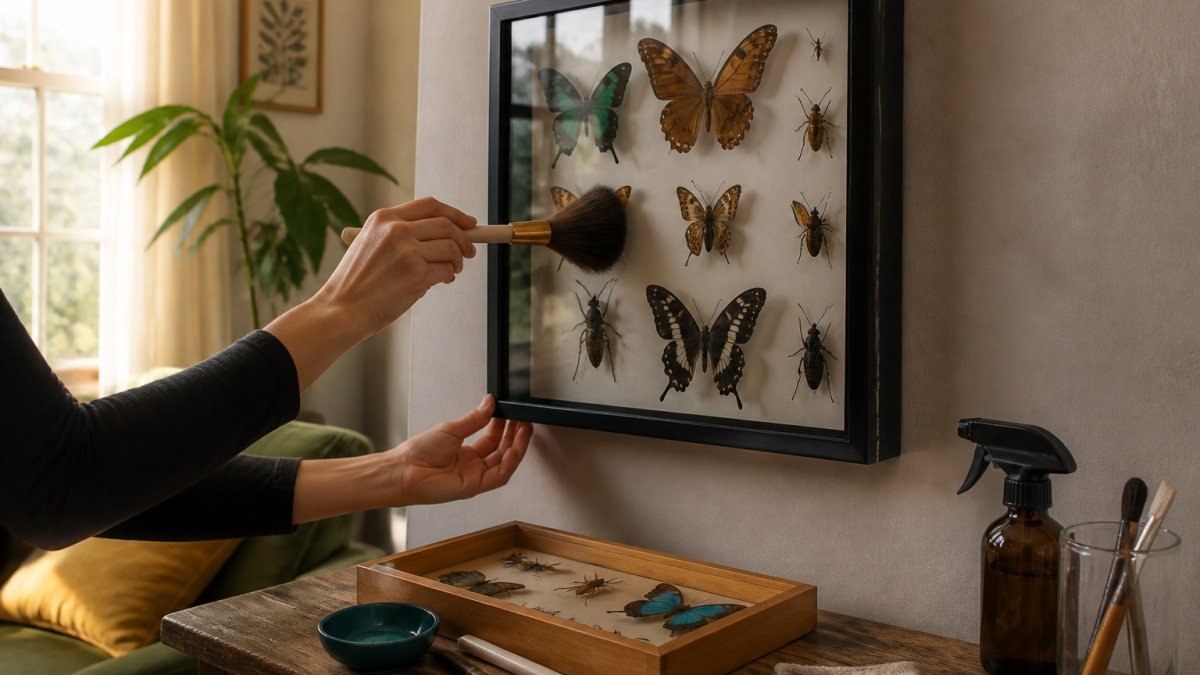
Hang textured pieces where they can be viewed at an angle; side light brings out relief and detail far better than flat, front-on light.
Shadowboxes suit small spaces because they add depth without needing much wall.
Avoid placing textured pieces behind glass tables or in spots where guests lean close and touch them.
Booking Your Next Piece: Choosing Frames and Caring for Your Collection
Choosing the right frame is the foundation of long-term care.
When you are ready to add a piece, browse the current range at Newman Art Designs' framed collection to compare sizes and specimens.
Before you buy, match the frame size to the wall space you have.
For guidance on displaying pieces in tight spaces, read How to Display Shadowbox Frames in Small Apartments before you decide where the piece will hang.
Once you have a piece you love, the care habits in this guide will keep it looking its best.
Frequently Asked Questions
How do you preserve natural textures in wall decor?
Keep the surface dry, dust it regularly with a soft brush or dry cloth, and avoid heavy-handed wiping that can flatten fine detail. Display pieces away from direct sunlight, bathrooms and kitchens, where humidity and heat can warp materials and dull colour. Shadowbox frames and glass domes add a protective barrier, so they suit specimen and natural-material pieces that need extra shielding from dust and handling.
How should you clean textured wall art without damaging it?
Start with a feather duster or soft brush, working from the top down so loose dust falls away from the piece. For glass-covered pieces, wipe the glass with a lint-free cloth lightly dampened with water, and keep moisture away from the frame edges. Avoid sprays and solvents on natural materials, and test any cleaning method on a hidden edge first.
Can sunlight damage natural textures in wall decor?
Yes. Prolonged direct sunlight fades colour and can dry out natural materials over time, which can make fine textures brittle. Position pieces away from strong afternoon sun, or use a window treatment to filter light. Rotating your display options and checking pieces periodically helps you spot early fading before it becomes permanent.
Is nature-inspired wall art too delicate for a busy home?
Not when it is framed and placed sensibly. Hang pieces out of reach of children and pets, away from doorways where they may be knocked, and keep them clear of heat sources. A sealed shadowbox or glass dome protects specimens from routine dust and accidental contact, making them suitable for everyday living spaces with regular, gentle care.

