
Prevent Mould in Shadowbox Frames: A Complete Guide
Last Updated: October 22, 2026
Quick Summary
To prevent mould shadowbox frames must be properly sealed to block moisture entry, humidity inside must be maintained between 45-55% relative humidity using silica gel packets, and frames should be displayed in stable interior locations away from bathrooms and exterior walls.
- Seal frame edges with weatherstrip tape or museum-grade sealant to stop moisture from entering
- Place silica gel packets inside frames and replace them every 12-18 months when saturated
- Monitor humidity monthly with a hygrometer and keep readings between 45-55% relative humidity
- Display frames on interior walls in stable locations away from bathrooms, kitchens, and direct sunlight
- Inspect frames monthly for black spots or discoloration and act immediately if mould appears
Table of Contents
- Why Mould Thrives in Shadowbox Frames
- How to Seal a Shadowbox Frame to Block Moisture
- Best Humidity for Insect Specimens and How to Monitor It
- Using Silica Gel for Shadowbox Frames
- Choosing the Right Display Location
- How to Clean Mould from a Picture Frame
- Maintenance Schedule and Prevention Checklist
- Frequently Asked Questions
Why Mould Thrives in Shadowbox Frames
To prevent mould shadowbox frames must be properly sealed, as they create the perfect environment for mould to grow. These enclosed display cases trap moisture and limit airflow.
Mould needs three things: moisture, warmth, and organic material. Shadowbox frames provide all three. The glass or acrylic traps humidity inside. Your specimens, whether butterflies, beetles, or paper backing, offer food for mould spores.
The real problem is that most people don't realise how quickly mould develops in sealed frames. You might display a shadowbox on your wall and think it's protected.
Prevention is far simpler than remediation. The good news: you can stop mould before it starts by understanding what creates the conditions for it to thrive.
How Moisture Gets Inside Your Frame
Moisture enters shadowbox frames in several ways. Your home's natural humidity seeps through tiny gaps around the frame edges. Temperature changes cause condensation to form on the glass.
The backing paper, cardboard, or fabric inside your shadowbox absorbs moisture from the air. If your frame isn't properly sealed, that moisture never escapes.
This is why location matters so much. A shadowbox frame hung in a bathroom or kitchen faces constant humidity challenges. Even a bedroom near a window can develop problems if condensation builds up regularly.
How to Seal a Shadowbox Frame to Block Moisture
The best defence to prevent mould shadowbox frames is proper sealing. Sealing stops moisture from entering in the first place.
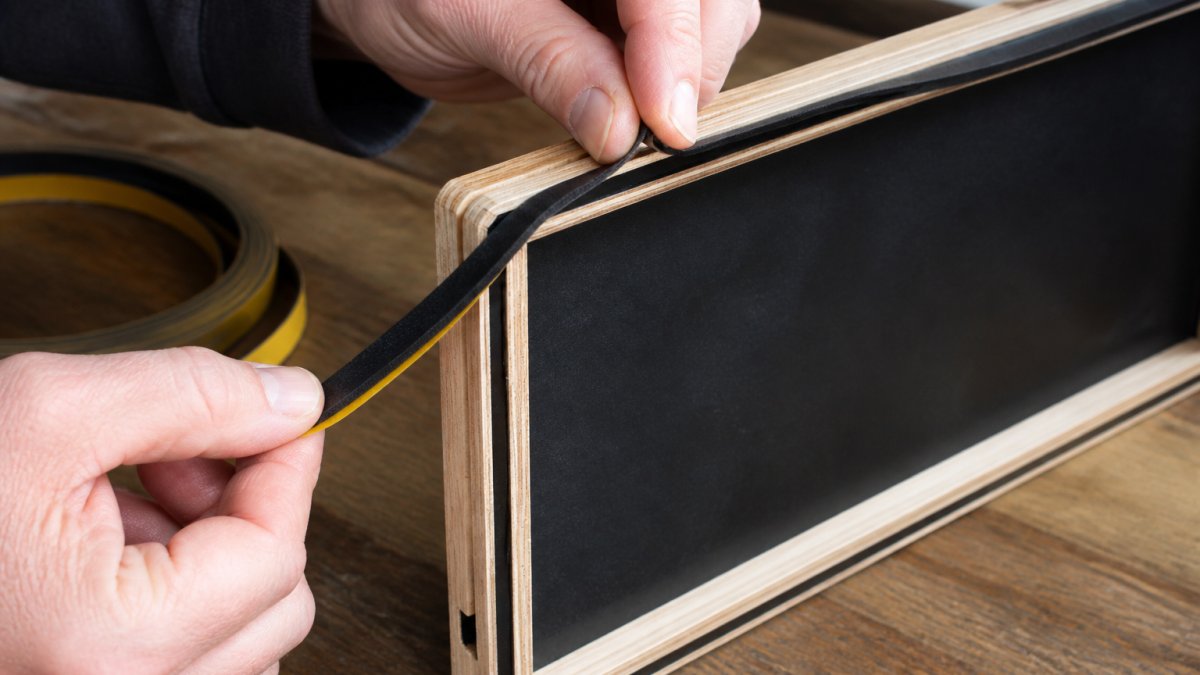
Start by identifying where air leaks occur.
Use weatherstrip sealing tape or museum-grade frame sealant. Apply it to every gap where the backing meets the frame.
Work slowly and press firmly. The seal needs to be airtight. A half-hearted application leaves gaps for moisture to slip through.
For wooden frames, check the wood itself. Small cracks in the wood allow moisture to penetrate.
Using Museum-Grade Materials
Not all sealants are equal. Standard caulk can off-gas chemicals that damage your specimens. Museum-grade sealants are designed to preserve delicate materials without causing harm.
Look for sealants specifically labelled for archival use. These materials won't degrade your specimens or backing over time. They maintain their seal for years without cracking or shrinking.
Apply sealant in a continuous bead around the entire frame perimeter. Don't leave gaps. A broken seal defeats the purpose.
Best Humidity for Insect Specimens and How to Monitor It
The ideal humidity level for insect specimens is between 45% and 55% relative humidity. This range keeps your specimens stable without promoting mould growth.
Above 60% relative humidity, mould spores begin to germinate. Below 30%, delicate specimens become brittle and prone to damage. The sweet spot, 45-55%, protects your collection.
Most homes naturally fluctuate outside this range. Winter heating dries the air. Summer humidity climbs. Your shadowbox frame must maintain stable conditions inside, regardless of what happens outside.
How to Monitor Humidity
A small hygrometer inside your frame is your early warning system. These devices measure relative humidity and cost very little.
Check the reading monthly. If it creeps above 60%, you have a problem developing. If it drops below 30%, your specimens are drying out.
Digital hygrometers are more accurate than analog ones. Look for models with a memory function that records high and low readings. This tells you if humidity spiked while you weren't watching.
Seasonal Adjustments
Winter heating creates dry conditions. Your frame's humidity may drop to 25-30%. This is too low. You may need to add a small silica gel packet to increase humidity slightly.
Summer brings the opposite problem. High outdoor humidity pushes indoor levels higher. Ensure your frame is properly sealed and positioned away from moisture sources.
Using Silica Gel for Shadowbox Frames
Silica gel is your primary tool for controlling humidity inside shadowbox frames. These small packets absorb excess moisture and release it when humidity drops. They maintain stable conditions automatically.
For shadowbox frames, use silica gel packets specifically designed for framing. Standard silica gel can be too aggressive and pull moisture out too quickly, causing specimens to become brittle.
Place one small packet inside your frame, hidden behind the specimen or backing. Position it where it won't be visible but where air can circulate around it.
How Often to Replace Silica Gel
Silica gel doesn't last forever. It becomes saturated with moisture and stops working. Most packets need replacement every 12-18 months, depending on your home's humidity.
Check your silica gel every 6 months. If it feels damp or heavy, it's time to replace it. Some gel packets include colour-changing indicators that turn from blue to pink when saturated, these are easier to monitor.
When you replace the packet, take the opportunity to inspect your specimen for any signs of mould or damage. Early detection prevents major problems.
Combining Silica Gel with Proper Sealing
Silica gel works best when your frame is properly sealed. A sealed frame with silica gel inside maintains stable humidity for years. A leaky frame with silica gel is like bailing water from a boat with a hole in it, you're fighting a losing battle.
Use both strategies together. Seal your frame edges first. Then add silica gel for ongoing humidity management.
Choosing the Right Display Location
Where you hang your shadowbox frame matters as much as how you build it. A poorly chosen location undermines all your other prevention efforts.
Avoid bathrooms and kitchens. These rooms have the highest humidity in your home. Moisture from showers and cooking creates ideal conditions for mould.
Never hang a shadowbox frame on an exterior wall. These walls experience temperature swings that cause condensation to form on the glass.
Keep frames away from direct sunlight. UV light doesn't cause mould, but it does fade specimens and degrade backing materials.
Air Circulation Matters
Stagnant air allows moisture to accumulate. Choose a location where air moves naturally. A living room with good airflow is better than a closed bedroom corner.
Don't hang frames directly above radiators or heating vents. Warm air from these sources creates temperature fluctuations that cause condensation.
Similarly, avoid positioning frames near air conditioning vents. The cold air hitting the frame causes the same condensation problem.
Temperature Stability
Consistent temperature is as important as humidity control. Rooms that stay roughly the same temperature year-round are safest. Avoid rooms that heat up dramatically during the day and cool down at night.
A hallway with stable temperature and good air circulation is often ideal. These spaces maintain consistent conditions better than living areas with more temperature variation.
How to Clean Mould from a Picture Frame
If mould has already appeared, act quickly. Early intervention prevents the damage from spreading to your specimen.
First, stop and assess the situation. Is the mould on the glass, the backing paper, or the specimen itself? This determines your cleaning approach.
Cleaning Glass and Acrylic
For mould on the glass or acrylic, use a mild glass cleaner and soft cotton swabs. Spray the cleaner on the cloth, not directly on the frame, liquid dripping inside causes more problems.
Gently wipe the affected area. Don't scrub hard. Mould comes off easily when caught early.
Once clean, dry the glass thoroughly with a lint-free cloth. Any remaining moisture feeds new mould growth.
Cleaning Backing and Paper
Mould on backing paper is trickier. You can't use liquid cleaners without damaging the paper.
Instead, use a soft brush or cloth to gently remove visible mould. Work in a well-ventilated area, mould spores become airborne when disturbed.
If the mould has penetrated deep into the paper, replacement may be necessary. Remove the specimen carefully, replace the backing, and reassemble with fresh silica gel.
When to Replace the Specimen
If mould has colonised your specimen, cleaning is often impossible. Mould that penetrates insect wings or delicate structures causes permanent damage.
In these cases, replacement is your only option. This is why prevention is so much better than cure. A damaged specimen is irreplaceable.
Maintenance Schedule and Prevention Checklist
Prevention requires ongoing attention. A simple maintenance routine keeps your shadowbox frames mould-free for years.
| Task | Frequency | What to Check |
|---|---|---|
| Visual inspection | Monthly | Black spots, discoloration, specimen condition |
| Humidity check | Monthly | Hygrometer reading between 45-55% |
| Silica gel assessment | Every 6 months | Weight and colour; replace if saturated |
| Frame seal inspection | Annually | Gaps, cracks, or deterioration around edges |
| Deep cleaning | Annually | Glass/acrylic for dust or condensation buildup |
Monthly Visual Inspection
Spend two minutes each month looking at your frames. Stand back and examine them from a distance. Look for any black spots, discoloration, or changes in your specimen's appearance.
If you spot something concerning, open the frame immediately and investigate. Early detection makes treatment simple.
Quarterly Humidity Monitoring
Check your hygrometer reading every three months. Record the numbers in a notebook or phone app. This creates a history of your frame's conditions.
If readings consistently stay above 60%, you have a humidity problem. If they drop below 30%, your specimens are drying out. Adjust your silica gel or frame location accordingly.
Annual Frame Maintenance
Once a year, inspect the entire frame perimeter. Look for gaps in the sealant or areas where the backing has pulled away from the frame edge.
If you find problems, reseal those areas immediately. A small gap now becomes a major moisture pathway later.
Creating Your Prevention Checklist
Print or write down this checklist. Post it near your frames as a reminder:
- Visual inspection completed
- Hygrometer reading recorded
- No mould spots visible
- Silica gel feels dry
- Frame seal is intact
- No condensation on glass
- Specimen colours appear normal
- No musty odour when frame is opened
Complete this checklist monthly. It takes five minutes and prevents months of headaches.
Preventing mould in shadowbox frames comes down to three essentials: seal your frame edges, control humidity with silica gel, and choose a stable display location. These steps work together to create an environment where mould cannot survive.
The Newman Art Designs collection features museum-quality specimens preserved with these exact principles in mind. When you combine our craftsmanship with the maintenance routine outlined here, your specimens remain pristine and mould-free.
Start with a proper seal. Add silica gel. Monitor humidity monthly. Your shadowbox frame will protect your specimen for decades. Shop now and discover how museum-quality preservation transforms your home decor.
Frequently Asked Questions
Can silica gel really prevent mould in a shadowbox frame?
Yes. Silica gel absorbs excess moisture that would otherwise condense inside the frame and feed mould growth. Place small packets of silica gel behind the backing board or in discrete corners where they won't be visible. Replace or reactivate them every 6-12 months, depending on your local humidity. Silica gel works best when combined with proper sealing and airflow control, not as a standalone solution.
What is the best humidity level for insect specimens in shadowbox frames?
Aim for relative humidity between 40-55%. This range prevents mould growth while protecting delicate specimens from becoming too brittle. Use an inexpensive hygrometer (around AUD $15-30) to monitor levels inside your frame. If humidity regularly exceeds 60%, your display location or sealing method needs adjustment. Keep the frame away from bathrooms, kitchens, and exterior walls where moisture is highest.
How do I know if mould is already growing inside my shadowbox?
Look for black, green, or white fuzzy spots on the backing, glass, or specimen itself. Early mould often appears as faint discolouration or a musty smell when you open the frame. If caught early, you can remove surface mould with a soft brush or cotton swab lightly dampened with white vinegar. For extensive growth, consult a conservator. Prevention is far easier than remediation, so inspect your frames every 3-4 months.
Should a shadowbox frame be completely airtight?
No. Completely airtight frames can trap moisture and create an ideal environment for mould if any water vapour is present. Instead, aim for a sealed frame with minimal but controlled airflow. Seal all external edges and gaps, but allow very slight air exchange through properly positioned ventilation or through the backing board. This balance prevents debris and insects from entering while avoiding moisture traps.
